01
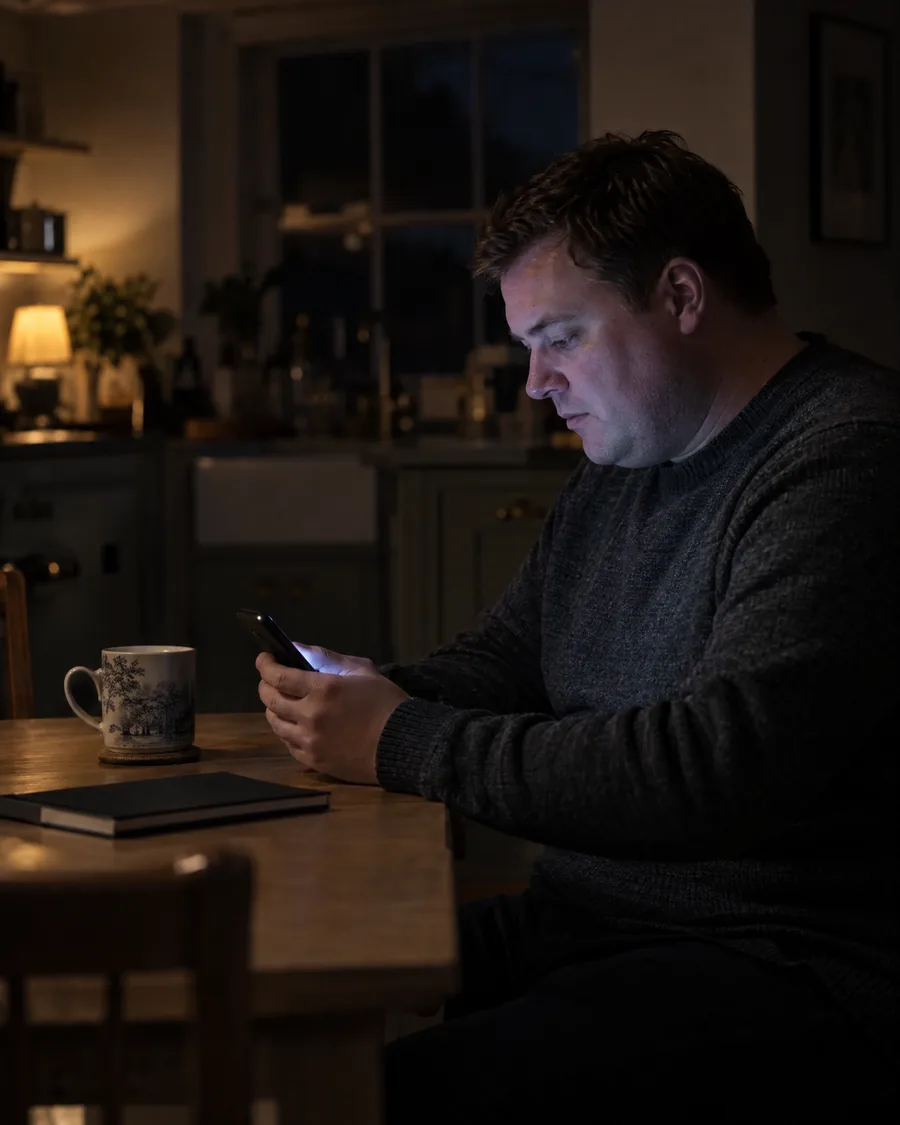
You start where you stand
Eleven at night, on a telephone, is a perfectly good hour to begin. Tell us the town you live in; nothing else is asked of you at this point.
The directory now covers 178 jurisdictions in 65 countries. Corrections are welcome.How it is sourced
Global directory · petition desk
Freemasonry is joined by petition, in the jurisdiction where you live or work. Tell us where you are, and we will show you the recognised grand lodge or provincial body that covers your area — then carry your enquiry to the secretary who can act on it.
Free to use. No account needed to enquire. Your details are shared only with the jurisdiction you choose, and only after you confirm.
How it works
You do not need to know a Mason, own anything, or explain yourself twice. This is the whole of it, from the first question to the first meeting.
Eleven at night, on a telephone, is a perfectly good hour to begin. Tell us the town you live in; nothing else is asked of you at this point.
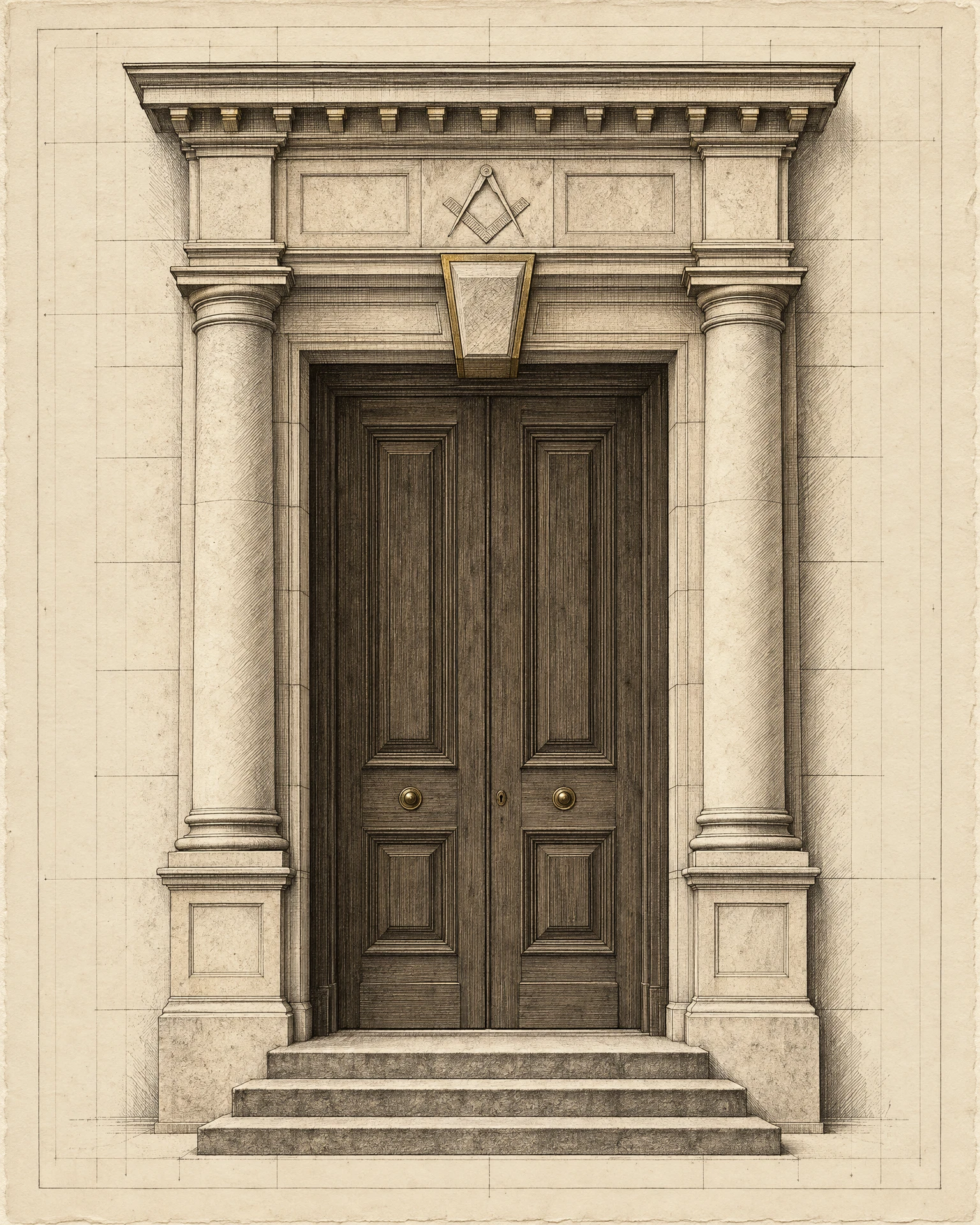
A grand lodge, a province or a district — whichever is responsible for that ground, with the address its own office publishes for candidates.

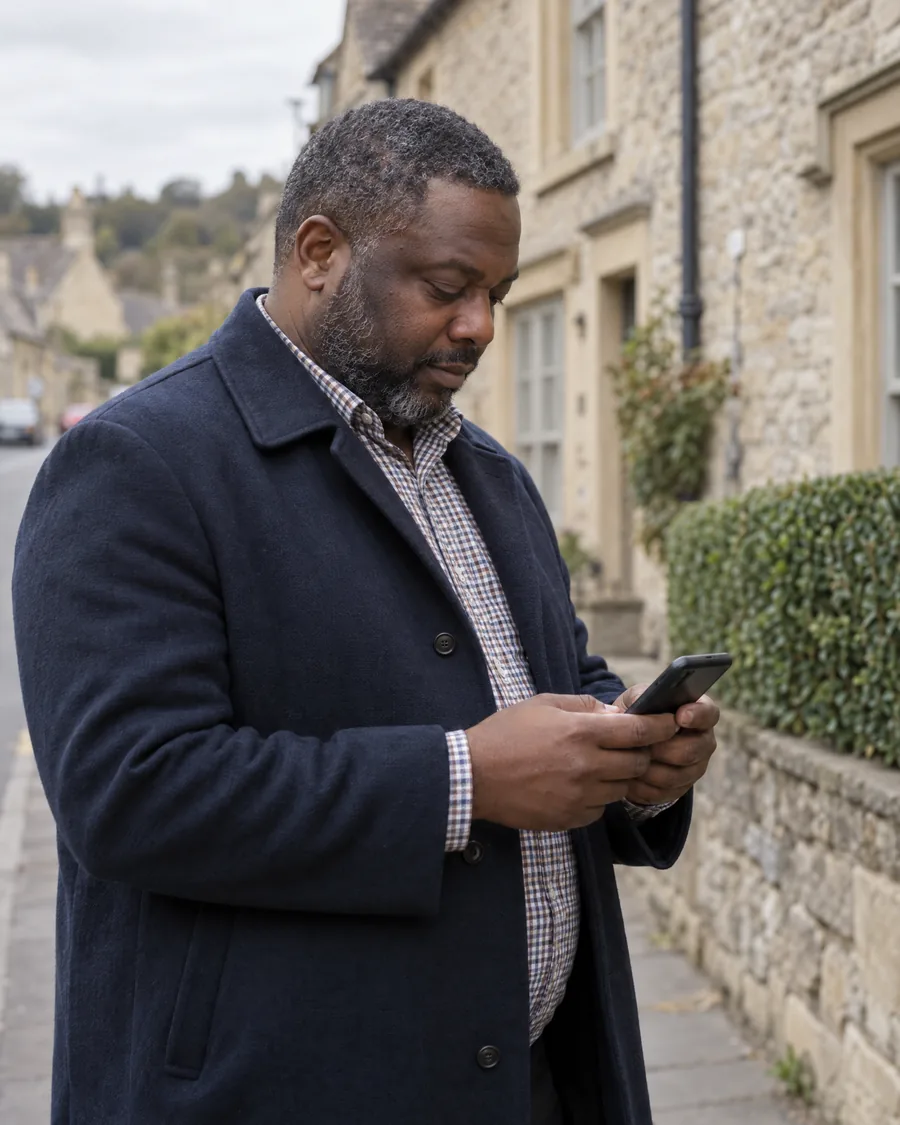
In the form secretaries expect, addressed to the secretary by office and sent. You are copied, and so is our desk, so nothing is quietly lost.
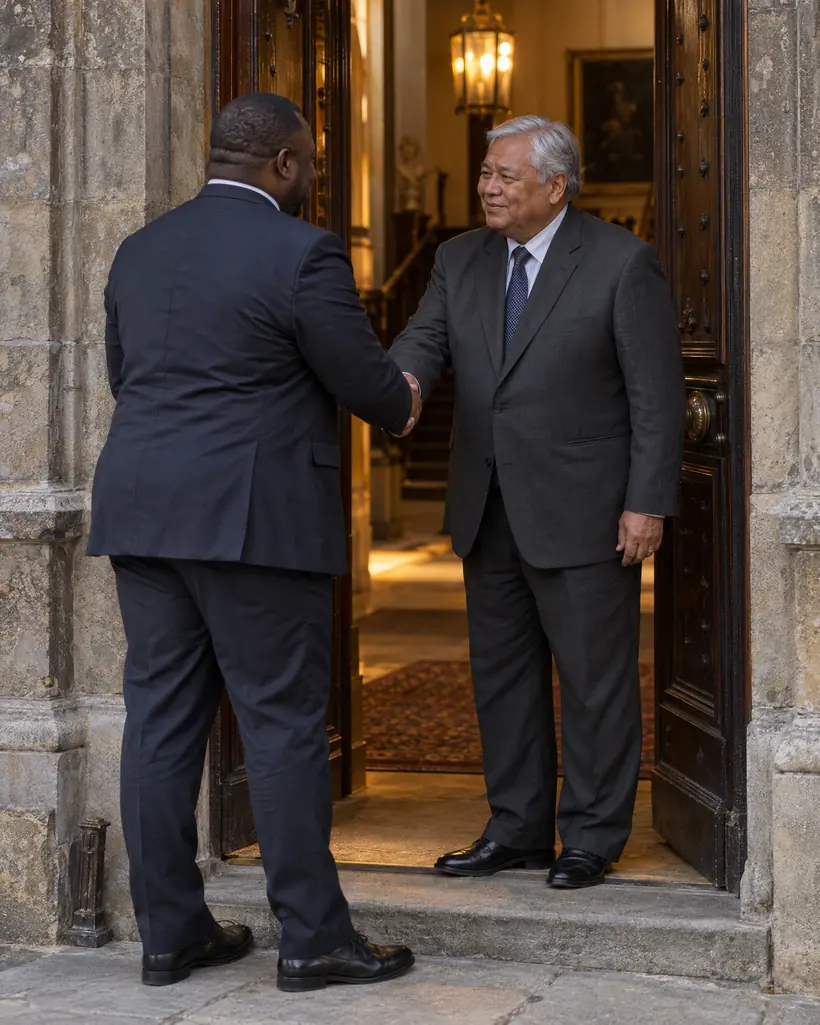
You keep a reference and can follow the enquiry as it moves. If you change your mind, one line withdraws it and the record is erased.
Where to begin
Regular Freemasonry is organised by jurisdiction, not by a single worldwide body. Each entry below is a grand lodge in amity with the others, with its own rules, ritual and minimum age.
London, England, United Kingdom · details checked against the official source
Edinburgh, Scotland, United Kingdom · details checked against the official source
Dublin, Leinster, Ireland · details checked against the official source
New York, New York, United States
Hamilton, Ontario, Canada
Sydney, New South Wales, Australia
Wellington, Wellington, New Zealand · details checked against the official source
Cape Town, Western Cape, South Africa · details checked against the official source
Before you petition
Freemasonry asks less than people expect, and rather more than a club membership. The requirements below are the common core; your jurisdiction may add its own.
| Age | 18 or 21 depending on the constitution. The figure is shown on every jurisdiction page. |
|---|---|
| Belief | A belief in a Supreme Being is required by almost every regular constitution. It is not a test of religion, and no particular faith is required. |
| Free will | You must come of your own accord, without pressure from an employer, family member or lodge. |
| Reputation | Candidates are expected to be of good character. Every lodge makes its own enquiries and interviews. |
| Politics & religion | Not discussed in lodge. The craft is not a place to advance either. |
| Money | Annual subscription and dining fees, set locally. No grand lodge promises financial benefit from membership. |
The introduction, in plain terms
There are roughly two hundred sovereign grand lodges in the world, and beneath them thousands of lodges meeting in cities, towns and villages. None of them recruits. The result is a familiar dead end: a man decides he would like to join, searches for a telephone number, finds three conflicting addresses, and stops.
A jurisdiction is the body that can actually answer him. In England it is the United Grand Lodge of England, acting through the provincial grand lodge for his county. In Texas it is the Grand Lodge of Texas, which will point him to a lodge near his home. In Ontario it is the Grand Lodge of Canada in the Province of Ontario. The directory lists each of these with the public contact route that its own office publishes.
Once your introduction reaches the secretary, the process is human and unhurried. Expect an informal conversation first, then a meeting with a small committee, then a ballot of the lodge members. Some jurisdictions require a proposer or seconder; where that is the case, the lodge will explain how it is arranged locally. From first enquiry to initiation, three to twelve months is typical.
We do not decide anything. The lodge does. What this platform adds is a complete, correctly addressed, formally written introduction — and a record of where it went.
Questions
Do I have to be religious? Will anyone be told? How much does it cost? The short answers are below; the long ones are in the guide.
Not necessarily. Many jurisdictions accept direct enquiries and will introduce you to a lodge. Some, including parts of the United States, prefer a proposer; the secretary will explain how that works where you live.
No. It requires a belief in a Supreme Being but does not teach a theology, offer salvation or replace your own faith. Men of many religions sit in the same lodge.
No. Your details go only to the jurisdiction you select. The lodge may make discreet character enquiries of the references you provide, as every constitution allows.
That is decided case by case by the lodge, not by this platform. Declare anything relevant honestly; concealment is treated far more seriously than the original matter.
Begin
The enquiry takes about six minutes. You will see the jurisdiction and its rules before anything is sent.